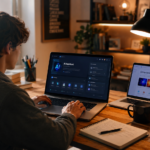
The digital nomad lifestyle has evolved from a niche trend into a mainstream career choice. In 2026, more people than ever are working remotely while exploring the world. Whether you are dreaming of working from a beach in Thailand, a cafe in Lisbon, or a co-working space in Bali, the digital nomad lifestyle is more accessible than ever before.
But making it work requires more than just a laptop and a passport. Successful digital nomads master a combination of practical skills, smart financial planning, and the right mindset. In this guide, we will cover everything you need to know about embracing the digital nomad lifestyle in 2026.
What is a Digital Nomad?
A digital nomad is someone who uses technology to work remotely while traveling to different locations. Unlike traditional remote workers who stay in one place, digital nomads move frequently, often staying in a new city or country every few weeks or months.
The lifestyle appeals to people who value freedom, adventure, and flexibility over the stability of a fixed office and home. In 2026, the global digital nomad community has grown to over 50 million people, supported by better infrastructure, more remote-friendly employers, and a wealth of resources.
Best Careers for Digital Nomads in 2026
Not every job can be done from the road. Here are the most popular and sustainable career paths for digital nomads this year.
Freelance Writing and Content Creation
Freelance writing remains one of the easiest remote careers to start. Bloggers, copywriters, and technical writers can work from anywhere with an internet connection. Platforms like Upwork, Fiverr, and ProBlogger connect writers with clients worldwide.
Web Development and Programming
Software developers and web programmers are in high demand. If you have coding skills, you can find remote work easily. Many digital nomads specialize in front-end development, WordPress customization, or mobile app building.
Digital Marketing and SEO
Digital marketing skills transfer perfectly to a nomadic lifestyle. SEO consultants, social media managers, and paid advertising specialists can serve clients globally. The work is results-based rather than location-based.
Online Teaching and Coaching
Teaching English online, offering fitness coaching, or providing business consulting are all viable nomadic careers. Platforms like VIPKid, iTalki, and Teachable make it easy to reach students and clients.
E-commerce and Dropshipping
Running an online store through Shopify or WooCommerce allows you to manage inventory and sales from anywhere. Print on demand and dropshipping models are especially popular because they eliminate the need to hold physical stock.
Choosing the Right Destination
Not all locations are equally suited for digital nomads. When choosing your destination, consider these factors:
Internet reliability: Fast and stable Wi-Fi is non-negotiable. Research co-working spaces and check internet speeds before booking long-term stays. Destinations like Chiang Mai, Medellin, and Lisbon are known for excellent digital infrastructure.
Cost of living: Your budget determines where you can live comfortably. Southeast Asia, Eastern Europe, and parts of South America offer affordable living without sacrificing quality of life. A monthly budget of $1,000 to $1,500 can go a long way in countries like Vietnam, Indonesia, or Mexico.
Visa regulations: Many countries now offer digital nomad visas. Portugal, Spain, Estonia, Thailand, and Costa Rica are among the most popular options. These visas typically allow stays of six months to two years and provide legal peace of mind.
Community: Being around other digital nomads helps with networking, motivation, and socializing. Look for destinations with active co-working spaces and nomad meetups.
Essential Tools for Digital Nomads
To work effectively on the road, you need the right toolkit. Here are the essentials for 2026.
Reliable hardware: A lightweight laptop, noise-canceling headphones, and a portable charger are the basics. Consider a travel router for secure connections in hotels and cafes.
Productivity apps: Notion, Todoist, and Asana help you stay organized across projects. Time tracking tools like Toggl and Harvest are useful if you bill by the hour.
Communication tools: Zoom, Slack, and Google Workspace keep you connected with clients and teams. A reliable VPN like NordVPN or ExpressVPN protects your data on public Wi-Fi.
Financial management: Use Wise (formerly TransferWise) for low-fee international transfers. Revolut and N26 offer excellent multi-currency accounts designed for frequent travelers.
Managing Finances as a Digital Nomad
Financial planning is critical for a sustainable nomadic lifestyle. Start by building a safety net of three to six months of expenses before you begin traveling. This cushion protects you in case of unexpected costs or dry spells in client work.
Track your income and expenses carefully. Use budgeting apps like YNAB or Mint to monitor your spending across different currencies. Set aside money for taxes, especially if you are earning from multiple countries.
Consider working with an accountant who understands international tax obligations. Many digital nomads register as freelancers or LLCs in their home country or in tax-friendly jurisdictions.
Staying Healthy and Productive on the Road
Traveling constantly can take a toll on your health and productivity. Establish routines that ground you, even as your surroundings change. Wake up at the same time each day, exercise regularly, and create a dedicated workspace wherever you go.
Mental health is equally important. Loneliness and burnout are common challenges for digital nomads. Stay connected with family and friends through regular video calls. Join local nomad communities to build friendships on the road.
Invest in travel health insurance. World Nomads, SafetyWing, and Genki are popular choices among digital nomads. Make sure your policy covers medical evacuation and extended stays.
Is the Digital Nomad Lifestyle Right for You?
The digital nomad lifestyle offers incredible freedom, but it is not for everyone. You need to be self-motivated, adaptable, and comfortable with uncertainty. If you thrive on routine and stability, a semi-nomadic approach might work better, spending several months in each location rather than moving frequently.
Start small. Try working remotely from a different city in your own country before committing to international travel. This trial run will help you understand your preferences and identify challenges before you make bigger leaps.
Final Thoughts
The digital nomad lifestyle in 2026 is more achievable than ever. With the right skills, tools, and mindset, you can build a career that lets you explore the world without sacrificing professional growth.
Plan carefully, budget wisely, and stay open to new experiences. The world is full of opportunities for those who are willing to work for them. Your desk could be anywhere, so choose your view wisely.
